2026 Buyer's Guide: Best Kids Headphones by Age Group
Not all children's headphones are suitable for all ages. What works brilliantly for a ten-year-old is not necessarily right for a five-year-old — and buying the wrong pair for your child's age can mean headphones that are uncomfortable, difficult to use, or not safe enough for little ears.
This guide breaks it down by age group, so you know exactly what to look for at each stage.
Before You Buy: The One Thing That Matters for Every Age
Whatever age your child is, the single most important thing to look for in a pair of children's headphones is a volume limit of 85dB or below.
Children's ears are more vulnerable than adults'. They have smaller ear canals, which means sound pressure is higher at the same volume level, and their hearing is still developing until their mid-teens. The World Health Organisation estimates 1.1 billion young people are at risk of hearing damage from unsafe listening — and once that damage is done, it is permanent.
85dB is the safe limit. Always check it is confirmed before you buy.
One thing to watch out for at every age: some headphones include a switch that lets the volume limit be disabled or increased, often marketed for adult use or plane travel. That switch is just as easy for a child to flick. Avoid any headphone that has one.
Best Headphones for Under 5s
What to Look For
At this age, simplicity and safety are everything. Young children's headphones should be:
Lightweight: Under 150g. Young children have smaller heads and necks, and heavy headphones become uncomfortable quickly and may discourage use.
Simple to put on: No complicated adjustments. The fewer steps between picking them up and having them on, the better.
Strictly volume limited: 85dB is the standard, but for the youngest listeners, a lower limit of around 74-75dB is ideal if you can find it. The quieter the better at this age.
Wired: For under-5s, wired headphones are almost always the better choice. They are simpler to use — no pairing, no charging — and the lack of Bluetooth removes any need to manage connectivity. The cable does mean your child is tethered, but at this age that is usually fine.
Durable but gentle: Young children will not be careful. Look for flexible materials that can withstand drops and squeezes without sharp edges that could scratch or hurt.
What to Avoid
Avoid headphones marketed at under-5s that include override switches, wireless connectivity that requires device pairing, or earbuds. In-ear headphones are not recommended for young children at all — they sit closer to the eardrum and increase the risk of hearing damage.
Our Pick
Kibu headphones are most suited to children aged 6 and above (see below), but for parents looking for something that will grow with their child, they are worth knowing about now. Many families find their children build their Kibu headphones at age 6 or 7 and are still using and repairing the same pair years later.
Best Headphones for Ages 6 to 10
What to Look For
This is the sweet spot for children's headphones. Children in this age range are old enough to use headphones independently, careful enough to look after them (mostly), and listening enough to audiobooks, music, and video that a good pair gets real daily use.
Volume limiting at 85dB: Non-negotiable. Confirmed, not just claimed.
Over-ear fit: On-ear headphones can become uncomfortable during extended use. Over-ear designs with cushioned ear cups are kinder for longer listening sessions.
Adjustable headband: Children's heads vary enormously in this age range. A headband with multiple adjustment positions is essential for a comfortable fit.
Wired or wireless: Both work well for this age group. Wired headphones are simpler and more affordable. Wireless suits children who want freedom of movement. If you go wireless, make sure the pairing process is something your child can manage independently.
Daisy chain support: If you have more than one child, look for headphones that support daisy chaining — connecting multiple pairs together via a 3.5mm cable so siblings can share audio. Useful on long journeys.
Repairability: This is the age group where repairability matters most. Children aged 6 to 10 are old enough to genuinely use and care for their headphones, but also old enough to break them. Headphones where individual parts can be replaced — and where the child can do the repair themselves — are a much smarter investment than ones that get binned the first time something snaps.
What to Avoid
Avoid headphones with volume override switches, earbuds, and anything with very short warranties or no spare parts available.
Our Pick
Kibu headphones are designed specifically for this age group, and in our view they are the best option available.
Children build them from a kit themselves in around 20 minutes, with no fiddly screws or wires. They are wired, volume limited to 85dB, made from a plant-based bioplastic (no oil, no standard plastic), and every single part can be replaced individually. They support daisy chaining. They are made in Britain and named by The Independent as the best sustainable headphones for kids.
Most importantly: when a child builds their own headphones, they feel differently about them. They look after them more. And when something goes wrong, they know how to fix it.
Best Headphones for Tweens (Ages 11 and Up)
What to Look For
Tweens are approaching adult listening habits — longer sessions, more varied content, more independence. Their priorities start to shift from pure safety toward a combination of safety, sound quality, and features.
Volume limiting at 85dB: Still important, even if your tween pushes back. Hearing damage accumulates over time, and the teenage years are when listening habits intensify.
Sound quality: At this age, audio quality starts to genuinely matter. Look for clear, balanced sound across a reasonable frequency range. Full-range audio with a decent bass response makes music more enjoyable without requiring dangerous volume levels.
Comfort for long sessions: Tweens wear headphones for hours at a time. Memory foam ear cushions, lightweight frames, and foldable designs for portability all matter.
Wired or wireless: At this age, wireless is often the preferred choice for the freedom it offers. Look for a battery life of at least 20 hours and a charging time of under two hours. Make sure the Bluetooth pairing process is reliable and simple.
Durability: Tweens travel more independently, take headphones to school, and use them in more varied settings. Build quality and warranty matter.
Repairability: Even at this age, repairable headphones are worth seeking out. A pair that can be fixed when something goes wrong is better value and better for the planet than one that goes in the bin.
What to Avoid
Avoid headphones that cannot confirm an 85dB limit, headphones with very short warranties, and in-ear earbuds for extended use (they carry a higher risk of hearing damage when worn for long periods at higher volumes).
Our Pick
Kibu headphones are wired, which suits tweens who use them primarily at home or on journeys. For tweens who want wireless freedom, Kibu is worth considering as a home pair alongside a wireless option for out-and-about use.
The build-it-yourself element also resonates strongly with this age group. The reviewer at The Independent described Kibu as "an amazing gift for tricky-to-buy-for tweens" — and based on the feedback we get from families, we think that is spot on.
Quick Comparison by Age
| Under 5s | Ages 6 to 10 | Tweens (11+) | |
|---|---|---|---|
| Volume limit | 74-85dB | 85dB | 85dB |
| Wired or wireless | Wired | Either | Either |
| Weight | Under 150g | Under 200g | Under 250g |
| Repairability | Nice to have | Essential | Important |
| Daisy chain | Useful | Useful | Less needed |
| Sound quality | Basic | Good | Matters more |
The Bottom Line
Whatever your child's age, the right headphones protect their hearing, fit comfortably, and last longer than a single school year. The best ones go a step further: they are made from materials you feel good about, can be repaired when something goes wrong, and are something your child genuinely feels proud to own.
For ages 6 and above, Kibu is our recommendation. Built by children, fixed by children, and made to last.
Sam Beaney
Founder and CEO, Kibu
Sam Beaney is the founder and CEO of Kibu, the headphones children build, repair and keep. Sam pitched Kibu on BBC’s Dragons’ Den in February 2026.
Related Articles
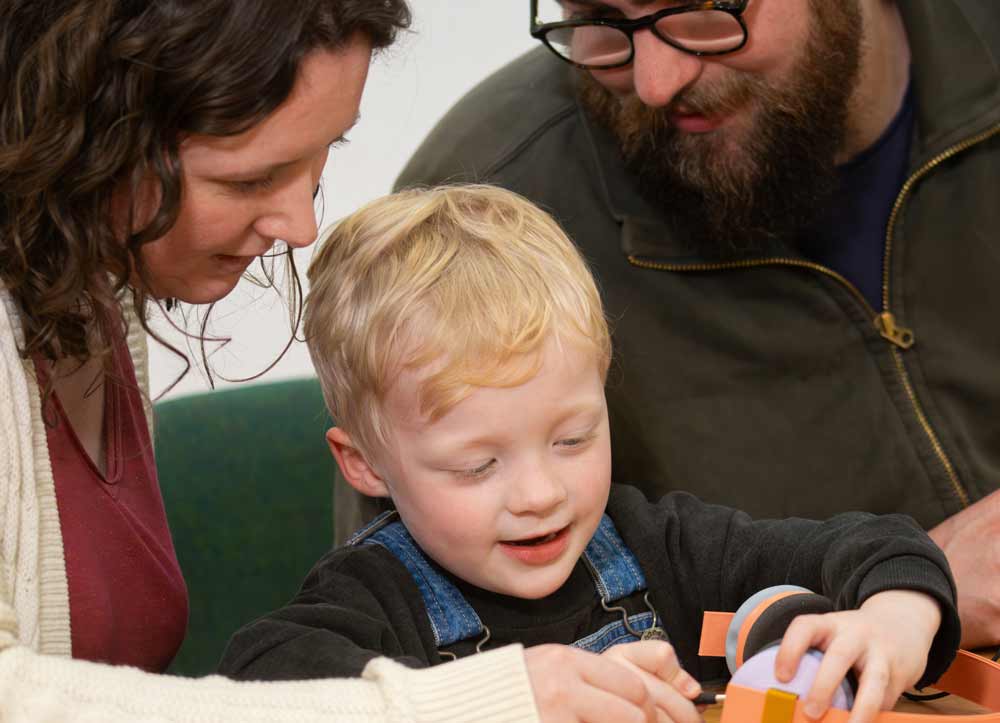
11 Common Mistakes Parents Make When Buying Kids Headphones (And How to Avoid Them)
From ignoring volume limits to overlooking repairability, here are the eleven most common mistakes parents make when buying headphones for their children — and how to get it right.
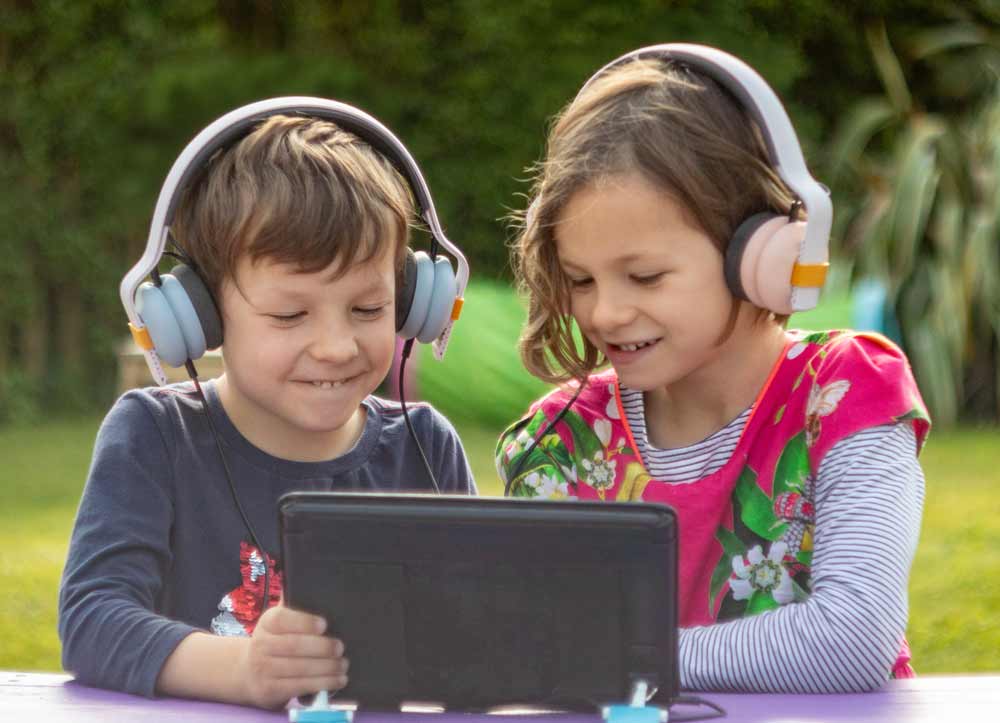
The Complete 2026 Kids Headphones Buying Guide: Everything Parents Need to Know Before Purchasing
From hearing safety to materials, wired vs wireless to repairability — everything you need to know to make the right choice for your child in 2026.
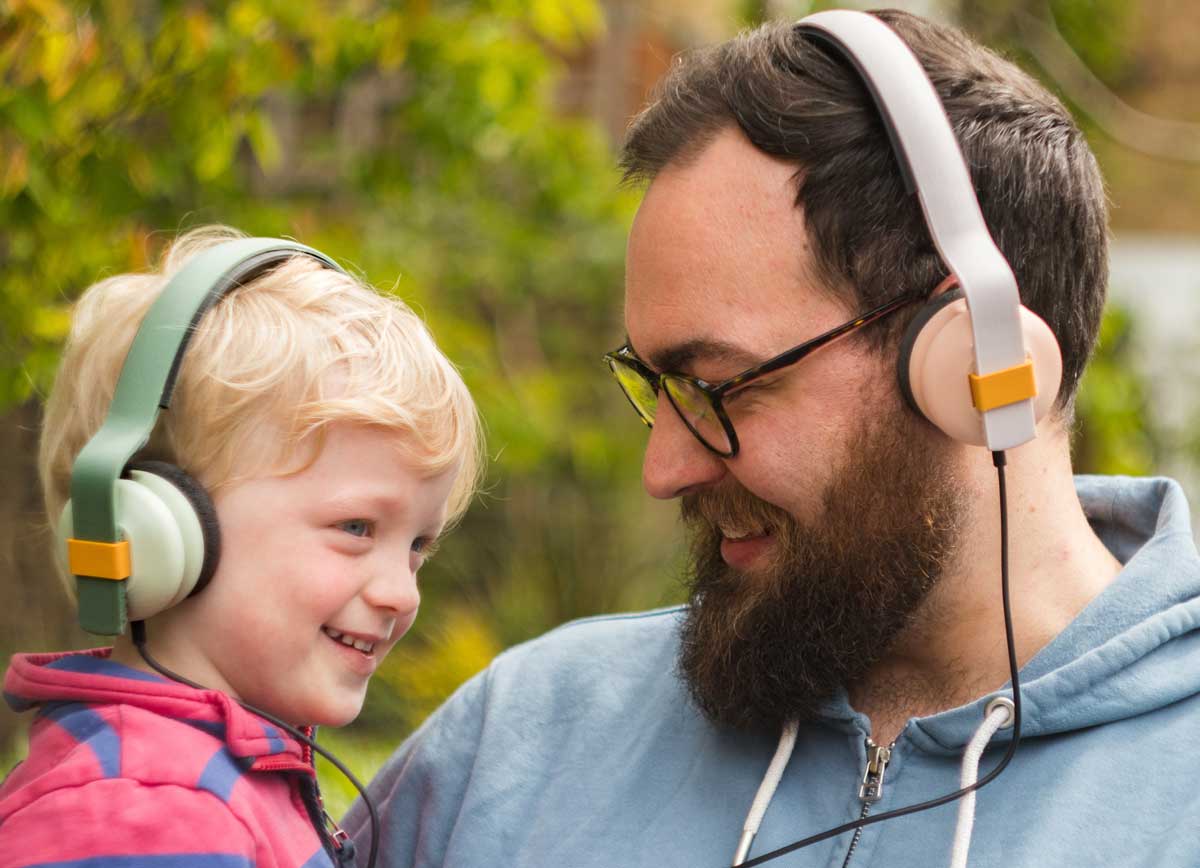
The Parent's Guide to Children's Headphones: What to Look For, What to Avoid, and Why Most End Up in the Bin
Everything parents need to know before buying headphones for their child — from hearing safety and age guidance to what happens when they break.