The Complete 2026 Kids Headphones Buying Guide: Everything Parents Need to Know Before Purchasing
Every year, millions of pairs of children's headphones get bought. And every year, millions of them end up broken, replaced, or in landfill — often within months of being purchased.
It does not have to be that way. But making a better choice starts with knowing what to look for. This guide covers everything, from the science of children's hearing to what questions most parents never think to ask.
Our Top Pick for 2026
Before we get into the detail: if you want our recommendation upfront, it is Kibu.
Kibu headphones are wired, volume limited to 85dB, made from a plant-based bioplastic, and built to be repaired rather than replaced. Children build them from a kit themselves — no screws, no fiddly wires — and if something ever breaks, they fix it themselves too. Named by The Independent as the best sustainable headphones for kids, and made right here in Britain.
Read on for everything you need to make an informed decision.
The Basics: Why Children's Headphones Are Different
Adult headphones are not designed with children's ears in mind, and the difference matters.
Children have smaller ear canals, which means sound pressure is higher inside their ears at the same volume level. Their cochlear cells — the tiny hair cells in the inner ear that process sound — are also still developing until around age 14, making them more susceptible to damage. And unlike many other types of physical harm, hearing damage from loud sound is permanent. Those cochlear cells do not grow back.
The World Health Organisation estimates 1.1 billion young people worldwide are at risk of hearing damage from unsafe listening. Children's headphones with a proper volume limit are one of the simplest ways to protect against that risk.
The Most Important Number: 85dB
If there is one number to remember from this guide, it is 85.
85 decibels is the volume level the World Health Organisation considers safe for extended listening. At or below this level, children can listen for long periods without risk to their hearing. Above it, the risk rises quickly — every 3dB increase roughly doubles the sound energy reaching the ear, and many adult headphones can reach 100dB or more.
When buying children's headphones, always confirm the volume is limited to 85dB or below. Do not assume — check.
One important thing to watch out for: some children's headphones include a physical switch that allows the volume limit to be turned off or increased, often marketed as a feature for adult use or for plane journeys. In practice, this switch is just as easy for a child to flick. Once it is off, their hearing is not protected. Avoid any headphone that includes this kind of override switch.
What Age Are Headphones Suitable From?
A rough guide by age:
Under 3: Not recommended. Toddlers are not developmentally ready to use headphones safely, and audio screen time at this age is best kept minimal.
Ages 3 to 5: Short sessions are fine with the right pair. Prioritise light weight (under 150g), simple controls, and strict volume limiting. Around an hour of use at a time is a sensible limit.
Ages 6 to 10: This is when headphones start to become genuinely useful — for audiobooks, school, travel, and entertainment. An 85dB limit, a comfortable over-ear fit, and solid build quality are the priorities.
Ages 11 and up: Older children are closer to adults in head size and listening habits. Sound quality matters more, but an 85dB limit is still the right standard through the teenage years.
Wired vs Wireless: What Is Right for Your Child?
Wired headphones are simpler, require no charging, and tend to cost less. For younger children especially, they have a practical advantage: you plug them in and they work. No Bluetooth pairing, no device settings, no adult needed to help get started. The main trade-off is that children are tethered by the cable, which can feel limiting during active use.
Wireless headphones offer freedom of movement and suit older children who use headphones more independently. The trade-offs are a higher price, battery life to manage, and a pairing process that younger children usually need help with.
One thing worth knowing: Bluetooth does emit non-ionising radiation, but at levels far below any established safety threshold. International safety bodies including the WHO and FDA classify Bluetooth as safe for children.
Can Multiple Children Share the Same Audio?
This is worth knowing before you buy, especially for families with more than one child.
Some wired headphones support daisy chaining — connecting multiple pairs together via a 3.5mm cable so that several children can listen to the same thing at the same time. No separate devices needed, no Bluetooth, and everyone hears the audio at a safe volume. It is a small feature that makes a significant difference on long car journeys or plane trips.
Not all children's headphones support this, so it is worth checking before you purchase if it is something your family would use.
How to Think About Durability
Children are not gentle with their things. A good pair of children's headphones needs to be able to handle being dropped, stuffed into a bag, and occasionally sat on.
When assessing durability, look for reinforced hinges (the most common point of failure in over-ear headphones), a warranty of at least one year (two years is better), and genuine long-term reviews from parents rather than just launch-day impressions.
But durability alone is not enough. The more important question is what happens when something does break — and that brings us to the most overlooked factor in buying children's headphones.
Repairability: The Factor Most Parents Miss
Most children's headphones cannot be repaired. When something goes wrong, the whole pair has to be replaced — even if only one small component has failed. This is bad for your wallet and bad for the environment.
A growing number of headphones are now designed with repairability in mind. Individual parts are available to buy separately. The construction is simple enough that a child can do the repair themselves with a little guidance. Nothing has to be thrown away.
If you can find headphones that meet this standard, prioritise them. The upfront cost is usually higher, but the total cost over time — and the environmental impact — is significantly lower.
What Are They Made From?
Most children's headphones are made from standard plastic. It tends to be brittle, it breaks relatively easily, and at end of life it goes to landfill.
Better alternatives do exist:
Recycled plastics give post-consumer waste a second life and reduce the demand for new plastic production. They are a genuine improvement, though end-of-life disposal remains a challenge.
Plant-based bioplastics are made from natural sources such as corn rather than oil. They have a lower carbon footprint in production and tend to perform as well as conventional plastics in terms of durability. This is currently the most sustainable option available in children's headphones.
Your Pre-Purchase Checklist
Safety
- Volume limited to 85dB or below, confirmed
- No override switch that disables the volume limit
- Non-toxic, BPA-free materials
- CE certified
Fit and Comfort
- Appropriate for your child's age range
- Lightweight (under 200g; under 150g for under-5s)
- Adjustable headband
- Cushioned ear pads
Connectivity
- Wired or wireless based on your child's age and use
- Daisy chain support if you have multiple children
Durability and Repairability
- Reinforced hinges
- Minimum one-year warranty
- Individual replacement parts available
Materials
- Plant-based or recycled materials where possible
- Minimal packaging
The Bottom Line
The best children's headphones in 2026 are not the ones with the most features. They are the ones that protect little ears, last longer than a school year, can be repaired when something goes wrong, and are made from materials you feel good about.
Kibu headphones were designed with every one of those things in mind. They are wired, 85dB limited, made from a plant-based bioplastic, repairable by the child who builds them, daisy-chain compatible, and made in Britain. Named by The Independent as the best sustainable headphones for kids.
Sam Beaney
Founder and CEO, Kibu
Sam Beaney is the founder and CEO of Kibu, the headphones children build, repair and keep. Sam pitched Kibu on BBC’s Dragons’ Den in February 2026.
Related Articles
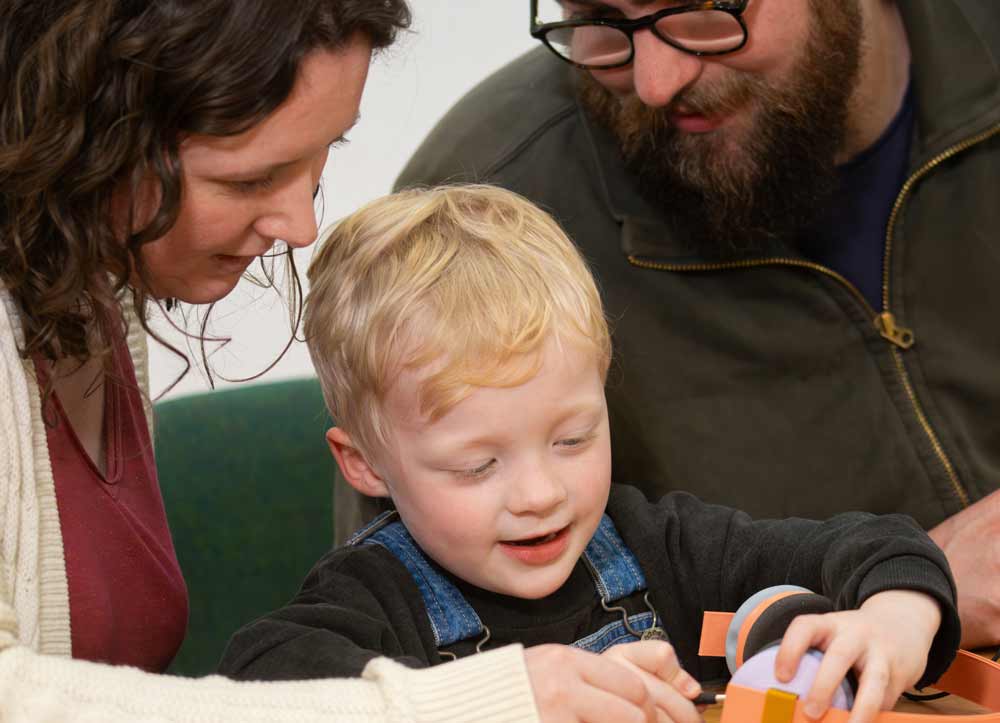
11 Common Mistakes Parents Make When Buying Kids Headphones (And How to Avoid Them)
From ignoring volume limits to overlooking repairability, here are the eleven most common mistakes parents make when buying headphones for their children — and how to get it right.
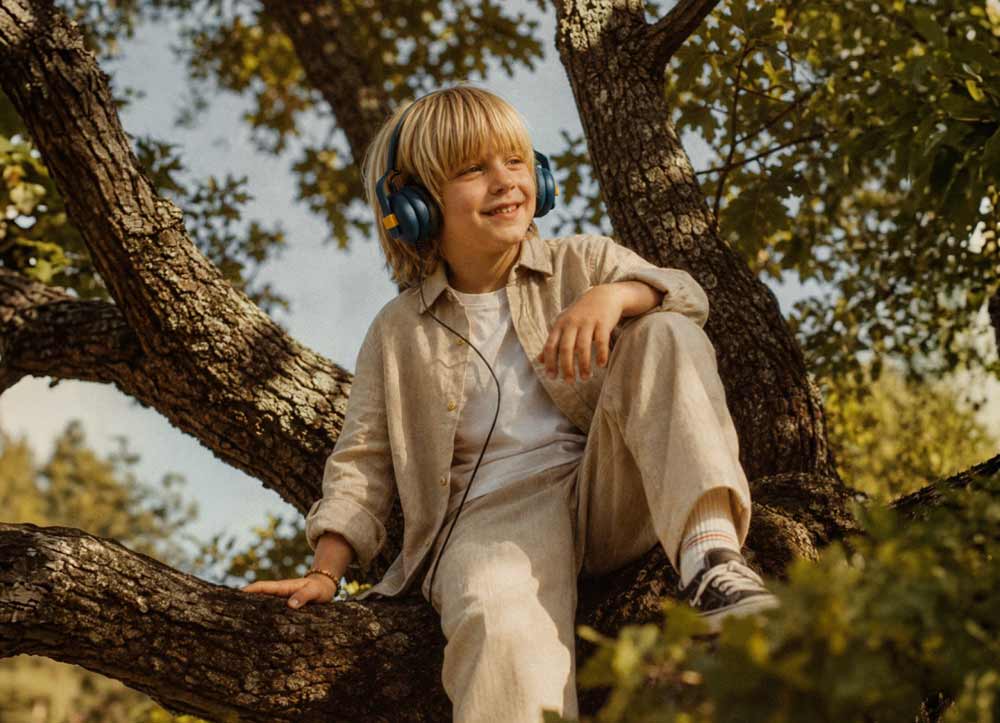
2026 Buyer's Guide: Best Kids Headphones by Age Group
Not all children's headphones are right for all ages. Here is what to look for — and what we recommend — for under 5s, 6 to 10 year olds, and tweens.
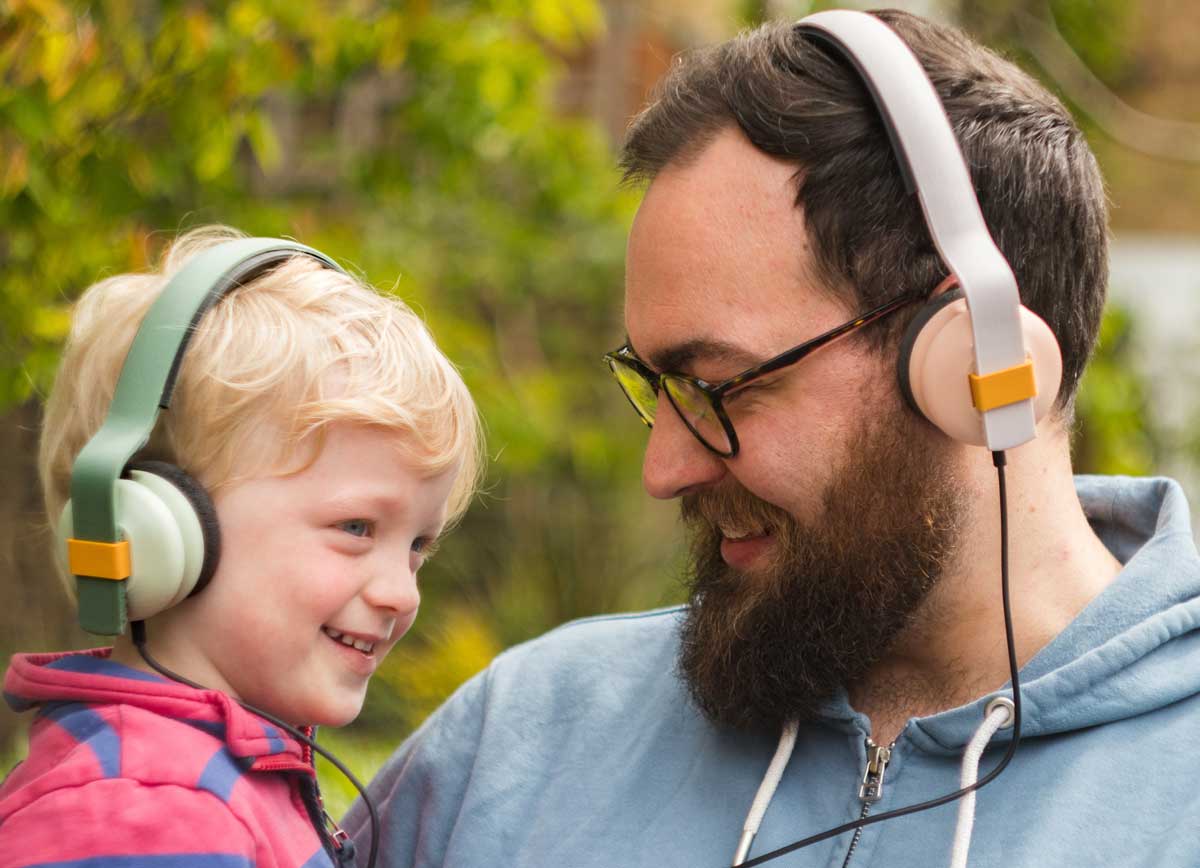
The Parent's Guide to Children's Headphones: What to Look For, What to Avoid, and Why Most End Up in the Bin
Everything parents need to know before buying headphones for their child — from hearing safety and age guidance to what happens when they break.